Harper Werner · 2 September 2026
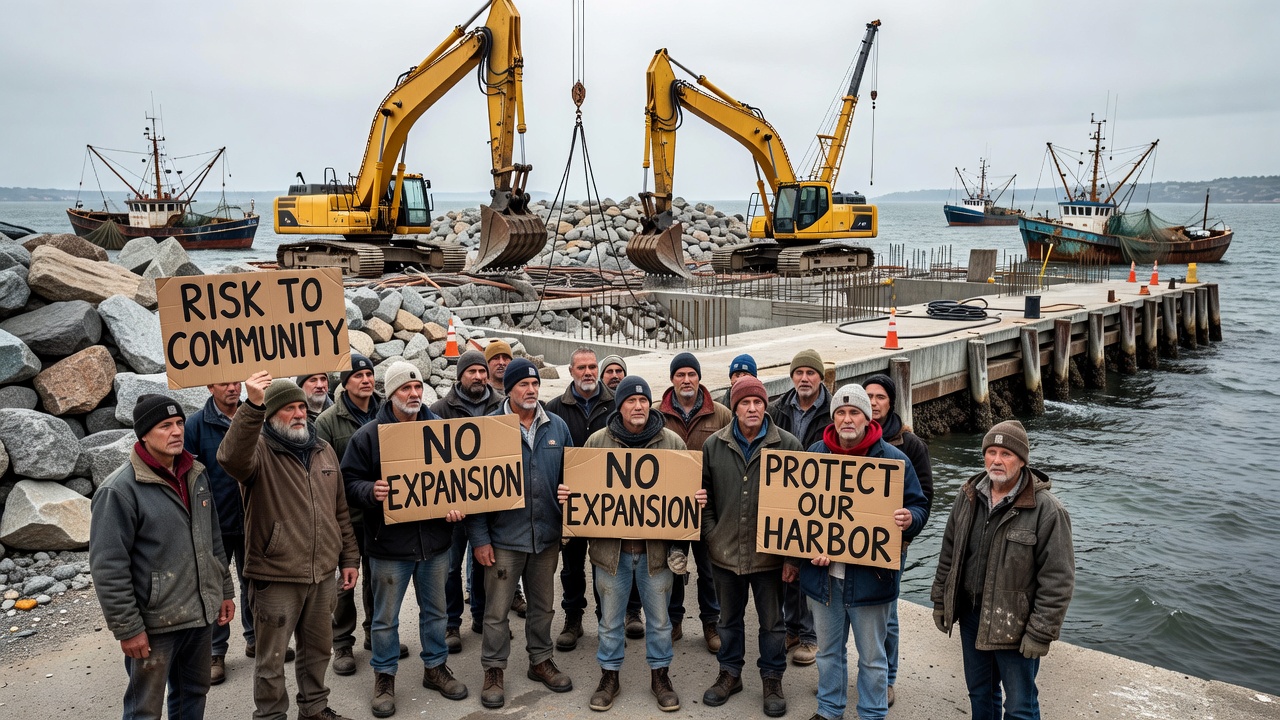
Plans to expand the harbor at Isle Bay have drawn strong opposition from residents and environmental advocates who warn of significant risks to local ecosystems. The project, which includes dredging and construction of new docks, aims to accommodate larger vessels and boost economic activity but has raised questions about long-term environmental impacts.
Environmental Risks Highlighted
Critics point to potential harm from increased dredging, which could disturb sediment and release contaminants into the water. Local marine life, including fish populations and shellfish beds, may face disruption, while nearby wetlands could suffer from altered water flows. A recent assessment by regional ecologists noted elevated turbidity levels in similar projects elsewhere, potentially affecting water quality for years. Noise and vibration from construction equipment also threaten migratory bird species that rely on the bay as a resting area. Proponents of the expansion argue that mitigation measures, such as silt curtains and restricted work periods, will limit damage, yet opponents maintain these steps fall short of protecting sensitive habitats.
Water pollution from increased boat traffic is another concern, with possible fuel leaks and waste discharge threatening the bay's delicate balance. Community monitoring groups have collected data showing existing stress on the ecosystem from prior developments, suggesting the expansion could push conditions beyond recovery thresholds. Officials have pledged environmental reviews, but timing remains unclear amid ongoing debates.
Community Pushback and Future Steps
Public meetings have seen packed attendance, with speakers emphasizing the need to preserve Isle Bay's natural character over commercial gains. Petitions circulated by residents have gathered hundreds of signatures calling for a full environmental impact study before any construction begins. Local business owners supporting the project highlight job creation and tourism benefits, yet many acknowledge the validity of ecological worries. Town council members are scheduled to review feedback in coming weeks, with options including scaled-back designs or alternative sites under consideration. Further hearings will allow additional input from scientists and stakeholders to inform the final decision.